




How Does High Intensity Focused Ultrasound Work in Aesthetic Treatments?
High intensity focused ultrasound works by directing acoustic energy to selected points beneath the skin instead of treating the surface uniformly. At each focal point, a controlled thermal response initiates tissue contraction and longer-term collagen remodeling. Aesthetic providers use this principle to plan non-surgical tightening treatments by depth and area. The method is precise, but results still depend on candidate assessment, treatment mapping, device configuration, and realistic expectations.
How Does High Intensity Focused Ultrasound Work Below the Skin?
How Does a Transducer Create a Controlled Focal Zone?
A transducer generates ultrasound waves and directs them so that the energy converges at a planned depth. The key feature of high intensity focused ultrasound is that energy becomes most concentrated at the focal zone. Tissue above that point is not the intended target, although a professional treatment still requires careful contact, coupling, mapping, and setting selection.
The operator chooses a treatment head and depth for the planned tissue layer, then places focal points according to the treatment map. Precision depends on both the equipment and the operator’s understanding of the anatomical zone.
Why Does the Thermal Response Lead to Gradual Remodeling?
At the focal point, the thermal response can cause immediate collagen contraction and begin a longer remodeling process. Fibroblasts and surrounding tissue do not complete that response at the moment the energy is delivered. Visible changes may therefore develop progressively rather than appearing as a mechanical lift at the end of the appointment.
Focused ultrasound does not reposition tissue as surgery does. The scale of change can vary with baseline laxity, treatment area, energy plan, and individual response, so providers should not promise a fixed result or timeline.
How Is High Intensity Focused Ultrasound for the Face Used?
How Do Treatment Depths Relate to Dermal and SMAS Layers?
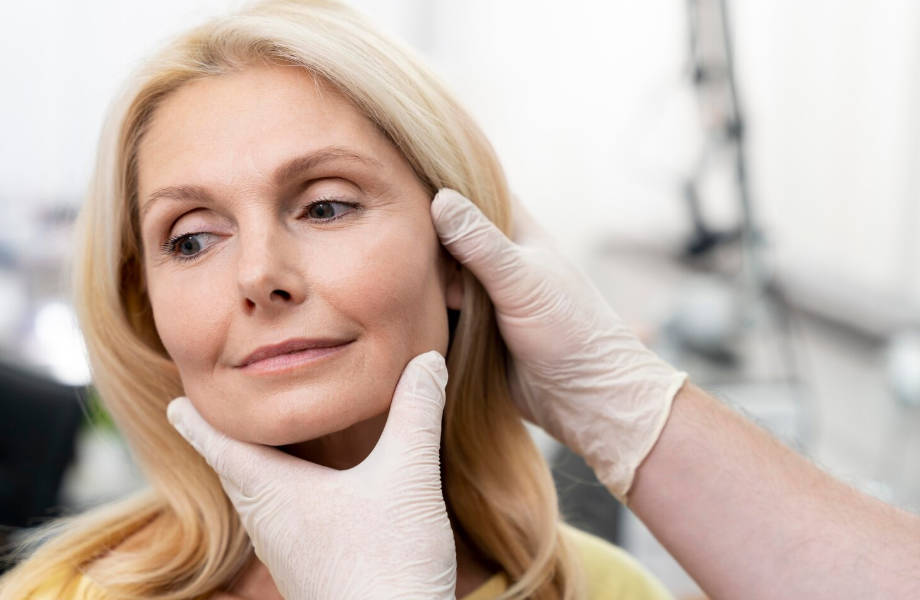
Using high intensity focused ultrasound for the face requires a layered plan. Shallower treatment depths may address dermal tissue, while deeper facial configurations can reach support structures such as the superficial musculoaponeurotic system, or SMAS. The purpose is not to send maximum energy as deeply as possible. The purpose is to match the planned focal depth to the target area and treatment objective.
Treatment heads associated with different depths are not interchangeable shortcuts. A provider must consider tissue thickness, facial zone, client suitability, and the equipment’s intended use before choosing a cartridge or pass. This layered decision is central to treatment quality because one universal setting cannot accurately represent the whole face.
Why Must the Face, Neck, and Jawline Be Mapped Separately?
The forehead, cheeks, lower face, jawline, and neck differ in shape, tissue distribution, and treatment goal. Mapping these areas separately helps the operator decide where focal lines belong, where settings may need adjustment, and which zones should be avoided. A generic full-face pattern can overlook those differences.
The treatment file should identify mapped areas, selected heads, planned depths, and relevant settings. These records support follow-up and help qualified professionals understand what was performed.
How Should Clinics Interpret HIFU Before and After One Treatment?
What Makes Before-and-After Records Credible?
Useful HIFU before and after records require comparable conditions. Lighting, camera distance, head position, facial expression, and framing should remain as consistent as possible. The clinic should also record the treatment date, follow-up date, treated areas, and consent for storing or using the images.
Photography needs treatment context. A picture cannot explain device configuration, treatment planning, or timing by itself, especially because high intensity focused ultrasound may produce a gradual rather than immediate response.
Why Is One Session Not a Universal Result Promise?
Searches for HIFU before and after one treatment often reflect a reasonable desire to know whether one appointment can make a visible difference. A single session may produce a documented change for some clients, but that example cannot guarantee the same magnitude, timing, or duration for another person.
Baseline laxity, age-related change, treatment area, selected depths, treatment pattern, and individual tissue response can all affect the observation. Clinics should compare each client’s follow-up with that client’s own baseline. The most responsible interpretation describes what was documented while avoiding claims that every client needs only one session or will reach the same result.
What Should HIFU Aftercare Cover?
Which Short-Term Responses May Need Routine Monitoring?
After high intensity focused ultrasound, some clients may notice temporary flushing or mild soreness. These responses are possible rather than universal, and the provider’s instructions should take priority over a generic recovery checklist. Appropriate HIFU aftercare should reflect the treated area, the documented plan, and the client’s individual response.
Clients should know how to contact the clinic and what to record. Providers should avoid promising zero downtime because a non-invasive treatment can still produce a short-term response.
When Should the Provider Review an Unexpected Response?
A response that persists, worsens, appears unusual, or causes concern should be reviewed by the provider. General online advice cannot determine whether an individual response is expected. The clinic should give clients a defined contact route and document any reported symptoms, guidance, and follow-up action.
This escalation boundary is a practical part of HIFU aftercare. It supports continuity of care without encouraging self-diagnosis or making unsupported statements about complication rates. Local professional and regulatory requirements should also shape the clinic’s post-treatment process.
How Can ZHEONE Help Buyers Evaluate a HIFU Machine?
What Should a HIFU Treatment Machine Include for Layered Workflows?
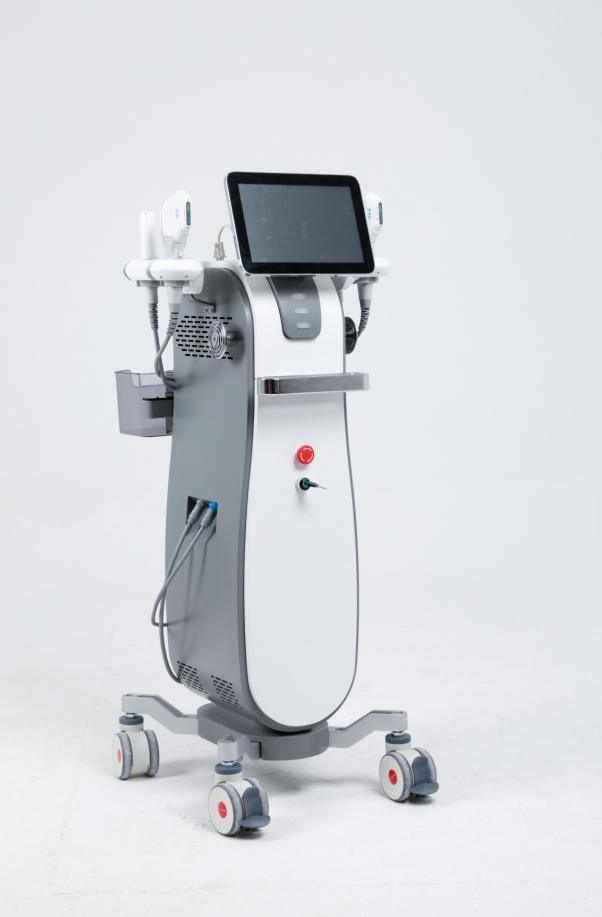
For a professional buyer, ZHEONE can help connect the planned treatment menu with the required configuration. A HIFU treatment machine intended for layered facial workflows should be assessed by its available handles, treatment heads, intended depths, supported areas, control options, and documented operating requirements. A longer feature list is not a substitute for a configuration that fits the clinic’s services.
Which Configuration Details Should Buyers Confirm with ZHEONE?
Before purchase, buyers should confirm the exact model, included and optional heads, intended treatment areas, operator training, maintenance expectations, recordkeeping needs, and after-sales support. The clinic should also verify local rules governing professional use. At ZHEONE, we can clarify the selected configuration so the purchasing decision is based on the actual system rather than a general description of HIFU technology.
The final choice should follow the clinic’s service plan and operator capabilities. A HIFU treatment machine that matches the planned depths and areas is more useful than one chosen only for the number of advertised functions. This verification step also helps separate responsible commercial evaluation from assumptions about guaranteed treatment outcomes.
FAQ
Q: Does High Intensity Focused Ultrasound Treat the Skin Surface?
A: The intended focal effect is created at selected points below the surface. The ultrasound travels through overlying tissue before converging at the planned depth. This does not make treatment universally suitable or risk-free; appropriate screening, mapping, coupling, and professional operation remain necessary.
Q: Can One HIFU Session Guarantee a Visible Change?
A: No. HIFU before and after one treatment may show a change for an individual client, but it cannot guarantee the same response for everyone. Baseline condition, treatment planning, selected depth, and tissue response influence what is observed and when it becomes visible.
Q: What Should a Clinic Verify Before Choosing a HIFU Machine?
A: A clinic should verify the exact configuration, treatment heads, supported areas, intended depths, operating requirements, training, maintenance, service, and local compliance needs. The selection should match the services the clinic plans to provide rather than relying on a broad technology label.


