



Why Is Fiber Diode Laser Hair Removal Popular?
Large clinics and medical-aesthetic groups are evaluating fiber diode laser hair removal because a fiber-delivered architecture can change how a team handles a busy day. The laser source stays in the console while a lighter handpiece delivers energy to the treatment area, supporting maneuverability, cooling contact, and repeatable workflow. It does not create a separate clinical mechanism: diode laser hair removal still depends on selective photothermolysis, patient assessment, and treatment across the active hair-growth cycle. Institutions weigh ergonomics, safety governance, documentation, and supplier support together.
Why Is Fiber Diode Laser Hair Removal Different at Institutional Scale?
How Does Fiber Delivery Change the Handpiece Workflow?
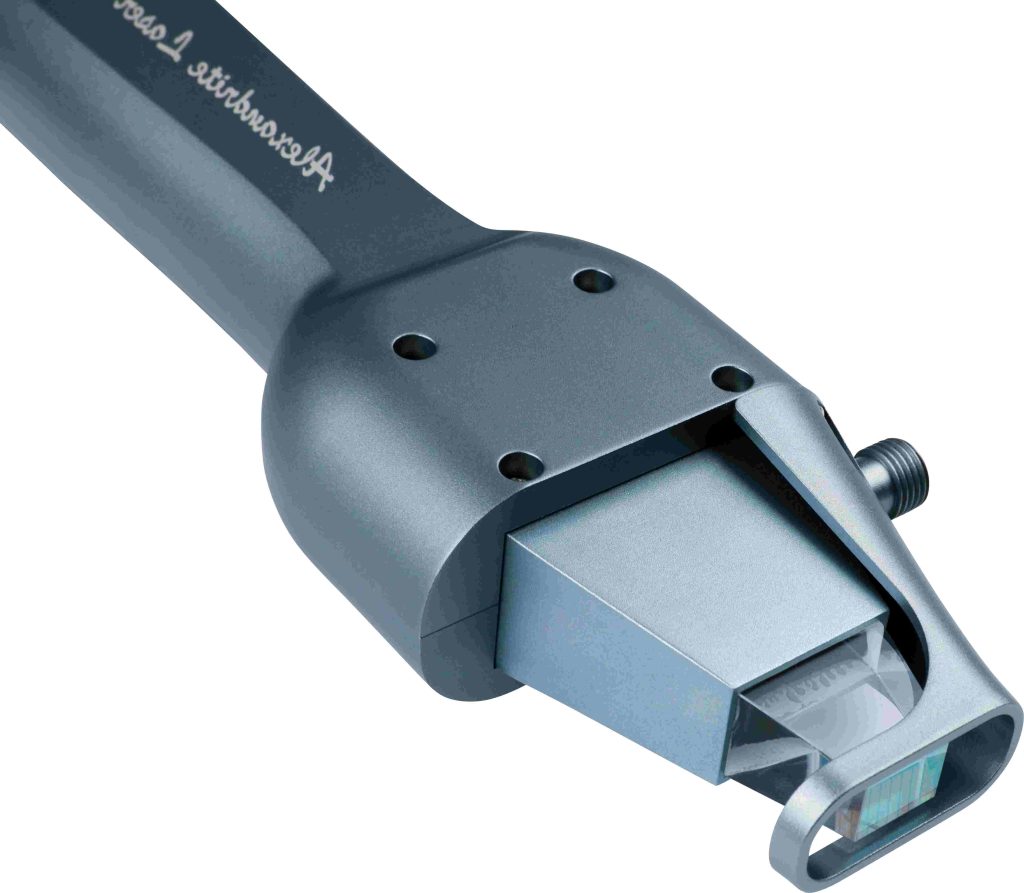
In a fiber-delivered configuration, the laser source is housed in the main unit rather than a heavy handpiece. A slimmer instrument connected by fiber can make positioning and gliding easier during repeated passes. Sapphire contact and thermoelectric (TEC) cooling are described for the generic fiber-optic configuration; these are workflow considerations, not promises of a particular result. Procurement teams should test grip, cable movement, contour access, and cleaning under realistic schedules. If a handpiece remains comfortable late in a shift, consistent contact may be easier to teach and audit.

What Does the Diode Laser Hair Removal Procedure Still Require?
Fiber delivery changes energy routing, not clinical responsibility. A complete diode laser hair removal procedure still starts with consultation, skin and hair assessment, contraindication screening, informed consent, and eye protection. Staff select wavelength, pulse width, fluence, spot size, and cooling for the individual and area. A patch test may be appropriate. The team records settings and response, gives follow-up instructions, and escalates unexpected reactions. Shaving guidance and post-treatment protection remain part of the service, with procedures defining who treats, who reviews complex cases, and when treatment is paused.
Why Do Large Institutions Prioritize Throughput and Consistency?
Can a Lighter Handpiece Support Repeated Full-Day Use?
Large institutions rarely judge a platform by a brochure feature alone. They observe whether a lighter handpiece reduces awkward wrist angles, allows steady contact, and moves between rooms without slowing setup. Ergonomics may help a trained operator maintain rhythm, yet staffing, appointment length, turnover, and maintenance determine throughput. Buyers should run a supervised trial, time preparation and cleaning, document handling, and compare feedback across a session block. This evidence is more useful than an unverified volume or return-on-investment claim.
How Do Cooling and Treatment-Head Options Affect Workflow?
Stable cooling can improve comfort and help maintain contact, while interchangeable heads can match different contours. Institutions should verify cool-down time, temperature monitoring, contact cleaning, and head changes between patients. A checklist can connect head selection with area, skin assessment, and settings. Uniform energy output is a design objective; actual consistency requires maintenance, calibration records, and supervised test shots. These details determine whether fiber diode laser hair removal can be delivered with the same discipline in every room.
Is Diode Laser Hair Removal Safe Under a Standardized Protocol?
Which Controls Reduce Diode Laser Hair Removal Side Effects?
The practical answer to “is diode laser hair removal safe?” is conditional: safety depends on selection, individualized parameters, cooling, eye protection, and trained personnel. Common short-term responses include erythema, pain, burning, and perifollicular swelling. Teams should explain and record these effects, with a clear review route. Poor settings or unsuitable candidates can cause more serious complications, so protocols need exclusion criteria and escalation. Check cooling before and during treatment, and stop when response is outside the expected range. A standardized fiber diode laser hair removal process reduces avoidable diode laser hair removal side effects without implying zero risk.
Why Are Training, Assessment, and Documentation Essential?
At scale, quality is a governance issue as much as a device issue. Training should cover skin-tone assessment, hair characteristics, parameter selection, eye-safety checks, cooling contact, and emergency response. Records can include area, settings, test results, response, consented photographs, and aftercare advice. Case review helps a medical director identify patterns across operators or sites, while maintenance logs and service contacts stay retrievable. This diode laser protocol standardization makes decisions traceable and supports retraining, adjustment, or referral.
How Effective Is Diode Laser Hair Removal Across a Treatment Course?
Why Do Results Depend on Hair Cycles and Patient Selection?
When buyers ask, “how effective is diode laser hair removal?” the answer begins with biology. Follicular melanin absorbs light and converts it to heat through selective photothermolysis. Hair is not synchronized in one growth phase, so one visit cannot target every follicle. Outcomes vary with hair and skin characteristics, area, hormonal influences, settings, and schedule adherence. In that context, is diode laser hair removal effective across every profile? No platform guarantees the same response for every person. A credible program defines candidacy, measures reduction, and reviews photographs and regrowth rather than promising a fixed percentage. Institutions should judge fiber diode laser hair removal by documented outcomes, not a single testimonial.
How Should Institutions Set Session and Permanence Expectations?
The question “how many sessions for diode laser hair removal?” should lead to an individualized estimate, not a universal number. Clinics can set an initial plan, schedule reassessments around hair-cycle timing, and adjust intervals when regrowth or skin response changes. Documentation should distinguish shedding, slower regrowth, and true reduction. Institutions should answer “is diode laser hair removal permanent?” accurately: the goal is long-term reduction, and maintenance may be needed. Consistent before-and-after photographs support honest conversations and help a purchasing team assess fit.
How Does ZHEONE Support Institutional Diode Laser Evaluation?
Which Verified ZHEONE Diode Laser Features Matter Operationally?
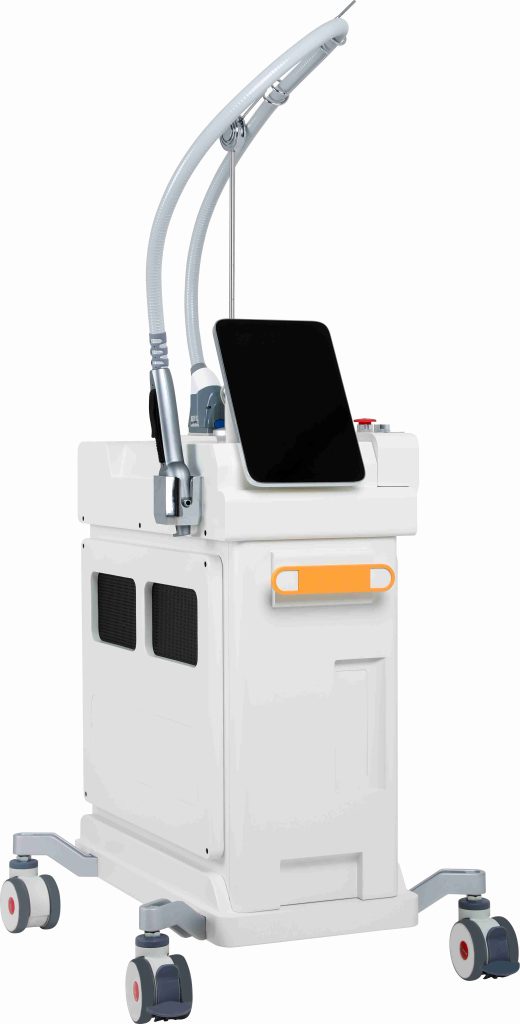
We present the ZHEONE diode laser as a platform for structured workflow evaluation. Our verified configuration includes magnetic interchangeable heads, UV handle sterilization, a light operating handle, sapphire contact cooling, 1200 W laser power, 600 W chiller power, and a stated 30% maximum duty cycle. A skin-test handpiece is described with a 2-megapixel sensor and 1920 × 1080 resolution. In a site trial, buyers can examine effects on setup, contact, cleaning, skin assessment, and records. ZHEONE does not present these details as clinical guarantees; institutions still need supervised testing and medical oversight.
What Should Buyers Confirm Before Selecting a Fiber-Coupled Configuration?
When evaluating a fiber-coupled configuration, buyers should confirm the specific system architecture, energy delivery method, and related technical details to ensure the selected platform matches their operational requirements. Ask for the exact configuration, source location, handpiece specifications, cooling controls, service documents, and training scope in writing. ZHEONE can help compare the requested fiber architecture with the verified public configuration.
FAQ
Q: What is diode laser hair removal, and does diode laser hair removal work?
A: It is a light-based hair-reduction treatment that uses selective photothermolysis to heat pigment in the follicle. It can reduce regrowth when the patient is an appropriate candidate, settings are individualized, and the course is completed. Results differ by hair and skin characteristics.
Q: How many sessions for diode laser hair removal are usually planned?
A: Clinics need to offer a personal estimate for each client. This timeline depends on the specific body part and the natural hair growth cycle. It also relies on hair thickness, skin reactions, and past treatments. Professionals must check the progress again after every single visit. This careful method is much better than simply promising a strict number of sessions to everyone.
Q: How many diode laser hair removal sessions are typically planned for the Brazilian area?
A: The Brazilian area may require a different plan because density, hormonal factors, sensitivity, and regrowth patterns vary. A trained provider should set the schedule after assessment and revise it using documented response, not a guaranteed number.
Q: Is diode laser hair removal permanent?
A: The evidence-based description is long-term hair reduction, not guaranteed permanent removal. Some follicles may regrow, and maintenance sessions can be appropriate. Consistent photographs and follow-up help set realistic expectations.


