




What Is the Best Post-Diode Laser Care Routine for Faster Recovery
An ideal post diode laser care routine is simple and mild. It should always follow the direct advice of the treating professional. Customers naturally want to soothe any warm sensations. They also need to shield the treated area so they can get back to their daily lives quickly. Furthermore, clients want to track their results easily. This means they should not mistake a brief skin response for a serious problem. At the same time, clinics require a reliable, step-by-step process. This method has to account for the specific body zone and device settings. It must also consider the cooling method used, as well as the personal background of the client.

What Happens During the First Days of Post Diode Laser Care?
Diode laser hair removal directs light energy toward pigment in actively growing follicles. Temporary warmth, redness, or swelling can follow. A good routine explains what is expected and how a client can report a concern.
Which Redness, Swelling, or Warmth Is Normal After Diode Laser Treatment?
Mild redness or swelling may look like a light sunburn. The response differs between body areas and hair types and does not automatically mean treatment went wrong. The clinic should explain what to watch for and whether the response should settle. Clear, area-specific instructions are more useful than a promise about one fixed recovery time.
When Does Diode Laser Aftercare Require a Provider Review?
Increasing pain, marked swelling, blistering, infection, scarring, or a persistent colour change needs professional review. Clients should not cover an uncertain reaction with aggressive products or rubbing. They should report when it began, where it appeared, and what was applied. If someone asks, “is diode laser painful?” explain that sensation and recovery vary; severe discomfort needs clinical advice.
What Should a 48-Hour Diode Laser Aftercare Routine Include?
The first two days should reduce avoidable irritation. Instructions must follow the provider’s assessment because skin condition, body area, settings, and device design matter.
How Should Clients Cool and Clean Skin During Diode Laser Aftercare?
Use a cool, clean compress when recommended for warmth or discomfort. Clean gently, avoid scrubbing and picking, and pat the skin dry. Use only products approved by the clinic when the area feels sensitive. The goal is to protect the skin while it settles, not to force exfoliation.
After Diode Laser Treatment, Which Sun, Heat, Friction, and Tanning Exposures Should Be Limited?
Protect treated skin from direct sunlight, tanning beds, sun lamps, and artificial tanning. Broad-spectrum sunscreen may be part of the provider’s plan. Avoid unnecessary heat, tight friction, or activity that increases irritation. Clinics should explain the reason for each restriction instead of inventing one universal time limit.
How Can Clinics Standardize Diode Laser Aftercare Instructions?
Give clients a written checklist, a contact route, and an escalation statement before they leave. Cover cooling, cleansing, sun exposure, product use, activity, and follow-up. Record the treated area and instructions. A consistent handover helps staff answer questions and identify a change that needs review.
How Does Preparation Affect Post Diode Laser Care and Comfort?
Preparation before diode laser hair removal gives recovery planning a safer starting point. The consultation should cover recent tanning, a tendency to scar, cold-sore or herpes outbreaks, medicines, previous reactions, expected sessions, and possible side effects.
What Belongs in Preparation Before Diode Laser Hair Removal for Better Recovery?
Review hair colour and thickness, body area, skin condition, recent sun exposure, and relevant medical information. Clients should disclose medicines and relevant history. Avoid tanning when instructed, and use daily sun protection if recommended. These steps do not guarantee a result; they help the provider decide whether timing, settings, or the plan should change.
Is Diode Laser Painful, and What Does an 808 Diode Laser Change for Recovery?
Clients may describe pulses as warmth, pinpricks, or a brief snap. Cooling, spot size, settings, body area, hair density, and sensitivity can change the experience. An 808 diode laser is a wavelength description, not a promise that every session feels identical. Explain the comfort protocol instead of claiming treatment is always painless.
How Should Clinics Read Diode Laser Before and After Progress?
Progress should be assessed over a series, not one day. Hair-growth cycles, hair characteristics, treatment area, skin colour, device type, and provider settings affect visible change. Aftercare supports the skin between sessions but cannot replace a suitable treatment plan.
How Many Sessions for Diode Laser Hair Removal Fit an Aftercare Plan?
A series is common, and professional guidance often spaces sessions several weeks apart. A general range is not a personal prescription. The provider should review regrowth, skin response, and the area before another session. Explain the variables and maintenance possibilities instead of selling a fixed number.
What Makes Diode Laser Before and After Photos Useful for Recovery Tracking?
Photos are most useful when body area, lighting, camera distance, hair length, and timing are consistent. Clients should permit before images are stored or shared. Records should note treatment date, area, settings, and recovery observations. Diode laser before and after images support consultation, but cannot guarantee the same outcome for another client.
How Can a Clinic Build a Safer Diode Laser Recovery Workflow?
For B2B buyers, aftercare quality depends on more than a wavelength in a brochure. A useful workflow connects screening, operator training, cooling, treatment-head selection, written instructions, follow-up, maintenance, and technical support.
Which 808nm Diode Laser Machine Features Support Consistent Aftercare?
When assessing an 808nm diode laser machine, ask how cooling is delivered, how heads match body areas, how settings are recorded, and how operators learn the system. Verified product information describes sapphire cooling, multiple wavelength entries, and different treatment-head sizes. Buyers must confirm which facts apply to the exact model and configuration.
How Should Diode Laser Aftercare Follow-Up, Escalation, and Service Be Documented?
Keep a treatment record, care instructions, and a route for reporting a reaction. Record maintenance, operator training, and protocol changes. Distributors and manufacturers should explain installation, troubleshooting, and service contacts. A written post-diode laser care record helps the team respond consistently.
How Can ZHEONE Help Clinics Standardize Diode Laser Aftercare?
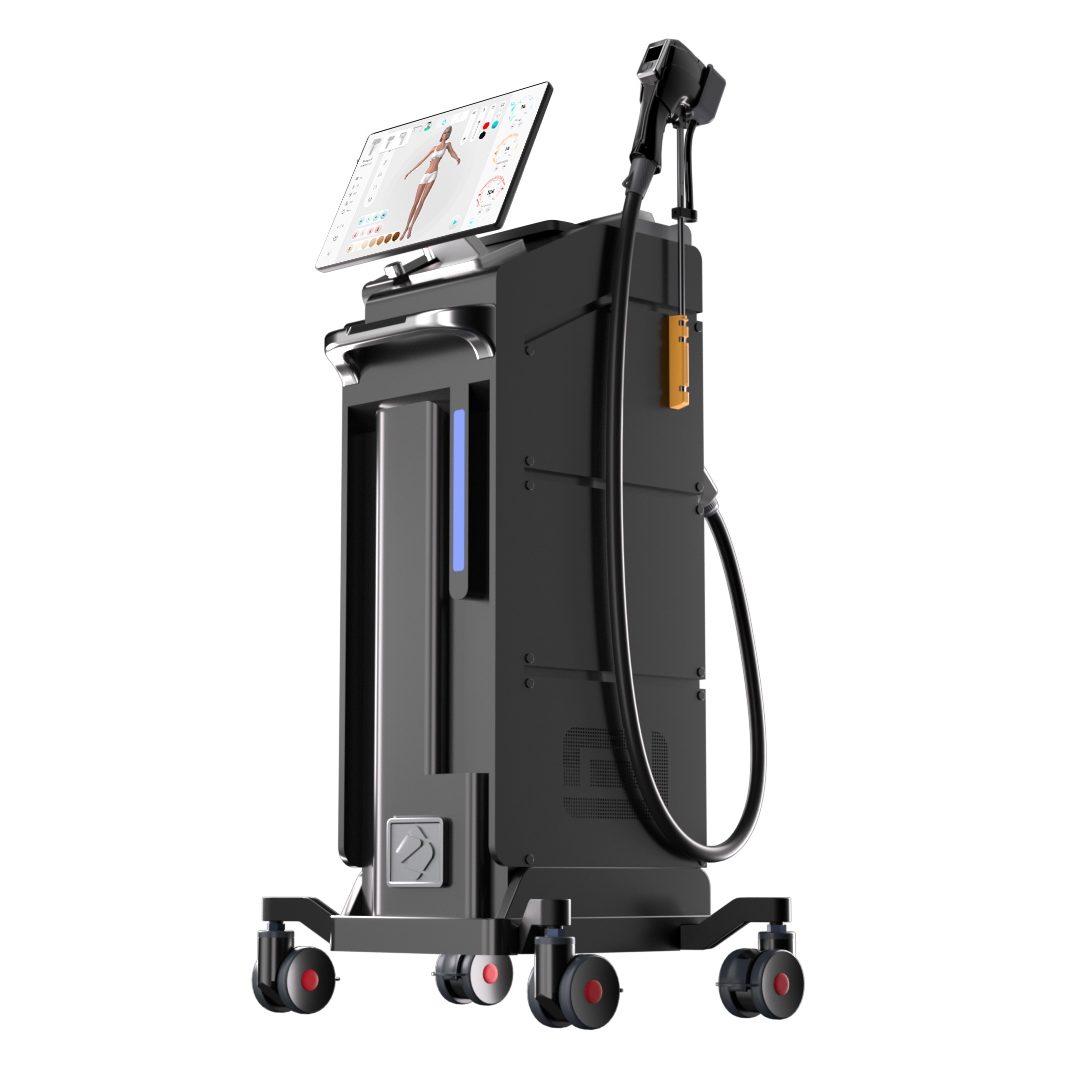
At ZHEONE, we connect product information with the workflow clinics need around diode laser hair removal. Our verified page describes sapphire-mirror energy conduction, cooling, magnetic treatment-head attachment, different head sizes, and body-area use. These details help buyers ask practical configuration questions.
What Do We Verify in Our Diode Laser Product Information?
Our materials list diode laser options with 755nm, 808nm, and 1064nm entries. Some specify 808nm or a combined 808+755+1064nm configuration, so we keep entries separate until the exact model is confirmed. We also consider treatment-head choice, parameter records, and operating information for staff.
How Do Our Support and Training Resources Help Aftercare Consistency?
At ZHEONE, we provide product information and after-sales support for distributors and professional users to review before adoption. Buyers should confirm the model, market requirements, training materials, maintenance process, and support route with our team. This exchange helps a clinic turn aftercare into a documented workflow.
FAQ
Q: Is Diode Laser Painful During Aftercare?
A: A session can feel like warmth, pinpricks, or a brief snap, while cooling may improve comfort. The experience varies by area, settings, hair and skin characteristics, and sensitivity. Follow the provider’s post-diode laser care instructions, and report severe or worsening pain to the treating provider.
Q: How Many Sessions for Diode Laser Hair Removal Fit an Aftercare Plan?
A: A series is common, but the number and timing depend on hair-growth cycles, area, response, and professional assessment. Discuss the expected range, review points, and maintenance plan rather than relying on a fixed promise.
Q: How Should Diode Laser Before and After Results Guide Aftercare?
A: Use consistent, consented photos together with treatment dates, areas, recorded settings, and recovery notes. Diode laser before and after images can support a realistic consultation, but they cannot guarantee an identical result for another client. Continue the provider’s care instructions between sessions.


