




What Do Microneedling Before and After Results Really Look Like
When clinics review microneedling before and after photos, the useful question is whether the images document a consistent plan, realistic timing, and a change that matches the client’s concern. Texture, pores, acne-scar appearance, fine lines, and mild laxity may evolve at different speeds. Early redness or roughness can be a short-term response rather than the final result. For B2B buyers, reliable documentation helps teams explain progress without making a universal promise.

What Changes Should You Expect in Treatment Before-and-After Photos?
The phrase microneedling before and after can describe several checkpoints: immediately after treatment, during early recovery, and after the skin has had time to remodel. Those checkpoints are not interchangeable. A useful record identifies the area, concern, image date, and interval since the previous session. For RF procedures, RF microneedling before and after evidence should also identify energy and needle depth because similar photographs may represent different protocols.
Which Early and Later Changes Belong in a Before-and-After Record?
Early images may show redness, mild swelling, pinpoint marks, or temporary roughness. Later images may review texture, pore visibility, acne-scar appearance, fine lines, or firmness. Label each stage clearly instead of using a recovery photograph as proof of the final outcome. Consistent lighting, camera distance, expression, and positioning make comparisons more credible.
What Does RF Microneedling Before and After Evidence Need to Show?
An RF comparison should include the area, device configuration, needle depth, energy range, needle format, and review interval. Without that context, RF microneedling before and after photos are difficult to compare. Note comfort, visible response, and changes to the plan so the photograph becomes part of a treatment record rather than an isolated marketing image.
How Many Sessions Make Microneedling Results Easier to Evaluate?
There is no single session count that makes every result predictable. One treatment can establish a baseline, a second can help review tolerance and early change, and a third can create a useful checkpoint for texture or scar appearance. The search phrase microneedling before and after 3 treatments should be treated as a documentation question, not a guarantee of the same improvement for every client.
What Can One, Two, and Three Treatments Actually Tell a Clinic?
After one treatment, the clinic can review immediate response, healing, and setting tolerance. After two, the team can compare recovery consistency and decide whether the concern is changing measurably. A third treatment may show a clearer trend, but it still needs standardized images and notes. A comparison after three microneedling treatments is most useful when each visit uses a documented protocol and comparable photographs.
Why Do Skin Type, Concern, and Settings Change the Timeline?
Skin condition, concern, needle depth, energy, area, and appointment consistency influence how quickly a trend can be assessed. Acne-scar texture and pores may not follow the same timeline as laxity or fine lines. A provider should consider whether changed settings, needle format, or interval make a later photograph different for procedural rather than biological reasons. A response-led review plan is stronger than a fixed session promise.
How Should Buyers Compare RF Microneedling Devices for Different Skin Programs?
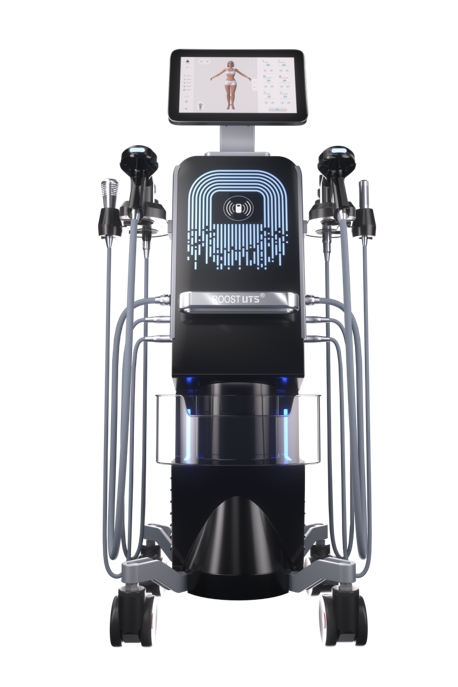
When comparing an RF microneedling machine, buyers should look beyond “deep collagen stimulation.” Ask whether the system provides controlled depth, adjustable energy, appropriate needle formats, operating records, and a repeatable hygiene workflow. The clinic still needs a protocol linking each configuration to a defined area and review method.
Which RF Microneedling Device Features Improve Repeatability?
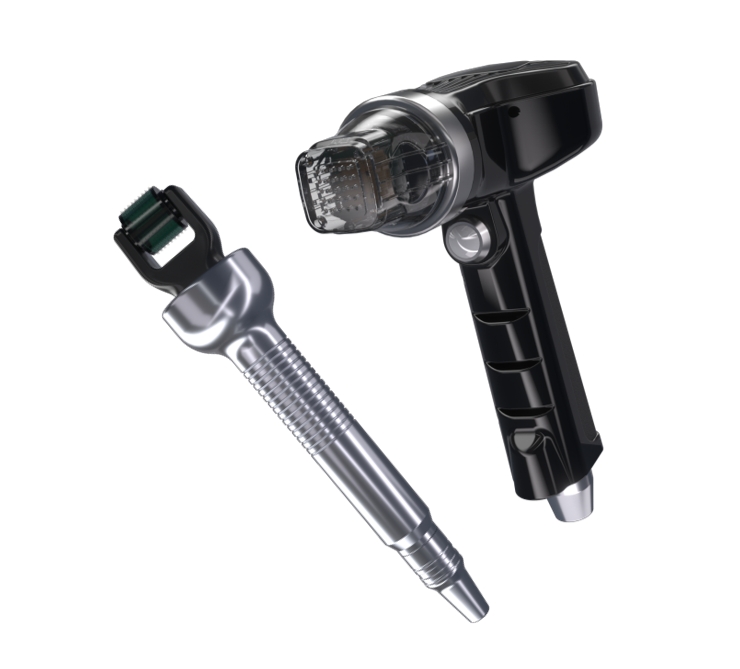
Useful specifications include adjustable depth, multi-level energy control, stable needle delivery, negative-pressure or secure-contact options, and disposable medical consumables where applicable. Configurations may provide 10-, 25-, or 64-needle choices and separate facial, body, scalp, or microcurrent handles. These details affect coverage and image comparison.
What Do Gold RF Microneedling and Gold Microneedling Labels Actually Prove?
Searches for gold RF microneedling, and gold microneedling may refer to a coating, needle material, or market label. The wording alone does not verify material, coating thickness, sterility, regulatory status, or performance. Ask for written specifications and compliance documents before using a gold-related claim. If construction is unverified, treat the term as a label requiring confirmation, not proof of superior results.
How Can Clinics Plan RF Microneedling for Asian Skin and the China Microneedling Market?
For RF microneedling Asian skin programs, build the workflow around assessment and documentation rather than assume one setting suits every client. Record skin condition, concern, sensitivity, area, depth, energy, and recovery observations consistently. This matters when teams compare microneedling before and after images across staff or locations.
The china microneedling market should be approached through verified demand, configuration fit, training, after-sales support, and local compliance rather than unsupported market-size claims. A B2B buyer can ask about OEM or ODM work, localized documentation, technical training, consumable planning, and treatment-record review. These capabilities are more actionable than a generic growth statement.
What Should an RF Microneedling Asian Skin Workflow Document?
The record should include the initial assessment, target concern, area, needle type, depth, energy, comfort, recovery notes, interval, and standardized photographs. This creates a defensible basis for RF microneedling Asian skin planning without assuming identical outcomes. It also helps identify whether limited response relates to the concern, settings, interval, or inconsistent coverage.
What Does the China Microneedling Market Require from a B2B Supplier?
A supplier serving the china microneedling market should explain configuration differences, documentation, training, technical support, consumables, and after-sales procedures. Buyers should verify which features belong to the quoted system instead of combining models. The same discipline applies to before-and-after claims: distinguish verified device facts from illustrative expectations.
How Can ZHEONE Support a More Consistent Treatment-Documentation Workflow?
At ZHEONE, we help B2B buyers evaluate RF microneedling configurations by connecting device details with the workflow clinics need to document. Verified project information includes 4MHz RF, adjustable depth or multi-level energy in relevant configurations, and combinations of microneedling, RF, and microcurrent. Buyers should confirm the exact handpiece, depth range, needle format, consumables, and training scope in the quotation.
Which ZHEONE RF Microneedling Configuration Details Should Buyers Confirm?
Our buyers should verify whether the quoted system uses negative-pressure, quick-needle, rolling, or microcurrent handles; which needle choices are available; and how staff clean, replace, and record consumables. These details help clinics build a repeatable before-and-after workflow and prevent teams from assuming that a feature listed for one configuration applies to another.
How Do Our Support and Customization Options Help Clinics Document Results?
We provide OEM and ODM support, customized treatment-solution planning, technical training, and after-sales coordination for professional partners. Our role is to help buyers match a configuration to intended services and establish documentation staff can use consistently. We do not treat a device specification as a guarantee; assessment, operation, follow-up, and local requirements remain essential.
FAQ
Q: What should microneedling before and after photos control for?
A: They should use consistent lighting, camera angle, facial expression, treatment area, interval, and skin condition. The record should also identify the protocol and explain whether an image shows immediate recovery or a later review point.
Q: What should buyers verify in an RF microneedling device before trusting results?
A: Verify the exact RF frequency, needle-depth range, energy controls, needle format, handpieces, consumables, hygiene process, training scope, and documentation method. Photographs are more useful when those details are recorded with each session.
Q: Are microneedling before and after 3 treatments photos a guarantee?
A: No. They illustrate one documented course, but response varies with skin condition, concern, settings, intervals, and operator technique. A third-session comparison should support review, not replace professional assessment.


