




What Are the Different Types of Body Sculpting for Various Body Goals?
What Are the Main Types of Body Sculpting for Different Goals?
How Do Different Types of Body Sculpting Address Fat Reduction and Skin Tightening?
This is because fat loss and skin tightening are two different things. The first is more localized, relating to adipose tissue, and the second is laxity and skin firmness in relation treatment area appearance. Some patients require an inquiry very much focused on a single issue, while some require larger consultations that cover multiple issues. Some patients need one clear objective, while others come in for more than one issue.
Many clinics seek cosmetic treatments that avoid surgery. As a result, they often choose non-invasive body contouring. The selection process must begin with a careful patient evaluation. During this step, providers need to explain the technology clearly. They should discuss how these tools work. They must also highlight the most helpful options for the individual. A single machine design cannot fit every physical shape. It also cannot resolve every cosmetic worry. Therefore, certain systems work better for specific people. Different body types and unique problems always require different solutions.

When Is Muscle Toning Relevant to a Body Sculpting Plan?
Muscle toning differs from fat reduction. A patient with stable body weight may still seek more definition in a specific area, so consultation should address the target, comfort, schedule, and realistic aesthetic goals.
Clinics should clarify that muscle-targeted therapies do not supplant skin-tightening or volumetric contouring approaches! That is the reason clinics measure several instances of body sculpting to provide against both target tissue and what really needs the patient. This is why clinics will often refer to the target tissue and indeed, what a patient actually wants prior to comparing different types of body sculpting.
How Do Clinics Match Different Types of Body Sculpting to Different Goals?
How Can an EMS sculpting machine Fit a Muscle-Toning Plan?
An EMS sculpting machine may suit a clinic discussing muscle-focused body shaping. Buyers considering an EMS machine for body sculpting should compare treatment areas, controls, applicator design, training, and documentation.
A good consultation should explain the best timing for EMS treatment. It must also show the limits of this method. Evidence-Based Medicine (EBM) begins by building a strong baseline. After that, experts create a detailed treatment plan. They also require a steady way to gather patient feedback. These actions ensure EMS remains just one option. It is not the only solution. EMS uses electrical impulses. These impulses cause muscle movement. Meanwhile, 2.45GHz microwave technology operates in a different way. It applies microwave energy to heat targeted tissues. Understanding these main differences brings real value. It lets clinics choose the correct technology for their actual goals. Furthermore, it helps them satisfy individual patient needs. In the end, a firm baseline and a proper plan matter greatly. Active patient feedback is just as vital. Combined, these factors present EMS as a useful tool. They prove it is not a magic cure for everyone.
What Should Buyers Compare in a muscle sculpting machine?
Buyers reviewing a muscle sculpting machine should assess treatment-room fit, staff training, consistent operation, maintenance, warranty, and service support, not just the equipment label. Different types of body sculpting require different controls, so compare the device with the clinic’s intended treatment plan and workflow.
What Should Clinics Evaluate Before Choosing a Body Sculpting Device?
How Do Non-Invasive Body Contouring Treatments Fit a Clinic’s Service Mix?
Non-surgical body contouring procedures perform best in certain situations. Clinics need to clearly state their guidelines for choosing clients. In addition, providers should talk about the desired outcomes honestly. Avoid promoting a treatment just as a tool’s function. Rather, connect it to vital daily operations. These duties involve patient meetings, a detailed check, planning the steps, and regular check-ins. It helps to look at the whole journey. Do not focus only on the machine. Consider how this new option matches your existing quality of care. Next, look at the daily schedule of your group. Your workers require enough time to assist patients. They also need time to record each appointment accurately.
Which Cost, Training, and Workflow Checks Matter Before Purchase?
Total ownership involves much more than just the initial purchase price. It actually covers the system configuration and the provided handpieces. You must also factor in staff training, routine maintenance, and the included warranty. Fast service response times and your daily expected workload are equally important. A cheaper upfront cost might actually deliver worse long-term value. This happens if the equipment proves hard to operate on a regular basis. It also occurs when the machine fails to meet actual patient demand. Therefore, you should carefully evaluate every single option. Always check these choices against your specific clinic needs and daily workflow.
How Does 2.45GHz Microwave Technology Fit Modern Body Shaping?
2.45GHz microwave technology can be evaluated within a body-shaping plan by considering energy delivery, treatment planning, cooling, and configuration. The technology should match the treatment objective and clinic workflow.
ZHEONE microwave is built around 2.45GHz microwave technology and includes cooling, a smart probe, and different handpiece options. These are workflow and control considerations, not guarantees of patient outcomes.
Microwave energy is described as being 2.45GHz, and with a power of between 50-300W. An intelligent cooling system and deep & shallow handpieces are also mentioned; buyers should double-check the configuration quoted exactly, as well as manual operation guidance provided. Also cited are a smart cooling system and deep, shallow handpieces; buyers should verify the exact quote configuration and operation guidance.
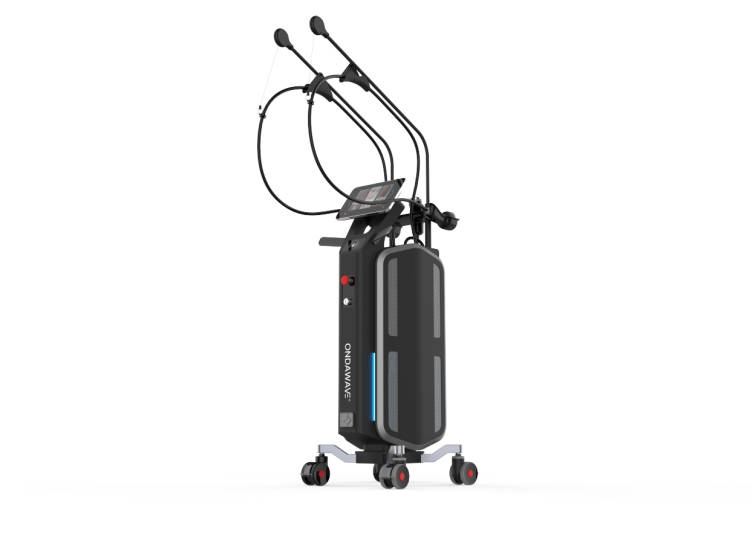
The system is aimed at dermal and subcutaneous tissue. The subcutaneous fat and fascia are treated with the deep handpiece; however, treating the face is not as straightforward as transdermal induction. The deep handpiece is used for subcutaneous fat and fascia, while the superficial handpiece targets the deep dermis; a 3 mm pocket hand piece was also made available in facial use.
They come with a specification for the smart probe; it must be able to monitor tags in real time and adjust power from 50-300W. Cooling uses a water-cooled ceramic plate (here, specified at 15°C). These configuration details are ones to be verified, not promises of a specific result. Things to check in the configuration but not assurances of a single outcome.
What Should Clinics Check in a 2.45GHz body shaping device?
Here are some questions clinics can ask themselves when reviewing a 2.45GHz body shaping device. How does your system support treatment-area planning, energy control, cooling management and operator consistency? Staff need to understand what the correct configuration is for each treatment discussion and how records will be kept. Staff should be aware of which configuration goes with each treatment discussion and how records will be kept.
ZHEONE microwave can be assessed by intended use, training, planning, service support, and documentation. Relate verified features to the clinic’s patient pathway.
How Could a 2.45GHz Microwave Beauty Machine Fit a Clinic Workflow?
A 2.45GHz microwave beauty best machine can definitely suit a clinic When consultation, preparing to such and working followed by follow-up is clear about on the line of infusion with surgery operating discussion considered here also extends firm handpiece selection; this should be motivated via key, vision of treatment area and plan. Cooling and probe controls are in the operating discussion; handpiece choice is matched to treatment area and plan.
FAQ
Q: What are the latest advancements in non-surgical body contouring?
A: The latest advancements in non-surgical body contouring should be judged by more than novelty. Clinics can review energy control, comfort, applicator design, training, documentation, and service support before selecting a platform.
Q: How should clinics assess new body contouring technology Claims?
A: Assess new body contouring technology claims by separating verified specifications from promised outcomes. Request details about intended use, controls, training, maintenance, and patient selection.
Q: What is the cost of professional body contouring machines for clinics?
A: The cost of professional body contouring machines for clinics depends on configuration, handpieces, training, service coverage, and purchase quantity. Compare long-term workflow value as well as price.


