



Is IPL Hair Removal Safe for Sensitive Skin in Professional Treatments?
For clinics, the answer to is IPL hair removal safe is conditional. Professional intense pulsed light (IPL) may suit a client after a trained practitioner reviews skin condition, hair, treatment area, sun exposure, medicines, and tolerance. Sensitive skin is not a universal setting. A test area, conservative start, cooling, and documented follow-up matter more than a device label. This article explains IPL, compares it with lasers, and outlines responsible equipment evaluation.
Is IPL Hair Removal Safe When Skin Is Sensitive?
The main issue is quite straightforward. We must look at the client’s present skin state and the chosen plan. This helps us determine if we can treat the hair follicles safely. We want to achieve this without heating the outer skin too much. Therefore, a thorough consultation is highly necessary. During this meeting, the staff needs to spot any active skin redness or open sores. They must also ask about recent sun tanning and notice any color shifts on the skin. Furthermore, the client needs to report any drugs that make the skin sensitive to light. A history of poor wound healing is another key detail to record. Because of these factors, skin readiness often varies. One specific body part might be completely fine for the procedure today. Meanwhile, we might have to delay the process for a different area.

What Does Sensitive Skin Change in a Professional Assessment?
Sensitive skin can mean a fragile barrier, flushing, cosmetic stinging, or diagnosed inflammation. These descriptions do not replace examination. Skin tone and hair color affect absorption by epidermis and follicle. Record baseline redness, texture, pigment, and density, explain expected warmth or perifollicular redness, and test a small area before treating a larger surface.
Which Reactions Are Expected, and Which Are Warning Signs?
Brief warmth, a snapping sensation, and limited follicular redness can occur after treatment and should settle with aftercare. Escalating pain, blistering, marked swelling, grey or white patches, or persistent pigment change require review. A complication review should link events to skin type, area, device, settings, training, and patient factors, so a safe workflow needs a stop rule.
How Does the IPL Hair Removal Mechanism Target Hair?
The IPL hair removal mechanism uses selective photothermal action. Filtered pulses are absorbed more strongly by melanin in a growing hair shaft and follicle than by surrounding tissue; light becomes heat that can impair growth. Since follicles cycle independently, reduction develops over multiple exposures. Epidermal heat still matters when competing melanin is higher or the barrier is reactive.
What Does the IPL Hair Removal Wavelength Range Mean in Practice?
IPL is broad, non-coherent light rather than a single laser line. A professional IPL hair removal wavelength range describes available output; filters select a narrower band. A commonly cited IPL output range is around 500-1200 nm and hair-removal coverage approximately through 695-1200 nm. These are not universal prescriptions: filter, pulse sequence, fluence, spot size, and cooling work together.
How Does IPL Hair Removal Wavelength Selection Affect Sensitive Skin?
The relevant IPL hair removal wavelength is one part of thermal balance. Pulse width, fluence, spot size, cooling, hair thickness, skin tone, area, and tanning all matter. A longer or shorter band is not automatically safer. Select a verified setting, test the response, and adjust only within manufacturer instructions and the clinic protocol.
IPL Hair Removal vs Laser: What Changes for Sensitive Skin?
The phrase IPL hair removal vs laser describes two different light-delivery approaches. A laser emits a defined wavelength; IPL uses a wider spectrum and filters. Both rely on pigment absorption, but selectivity, pulse delivery, cooling, and controls vary. Comparative clinical evidence has reported reductions with both approaches, with outcomes and comfort varying by protocol. This is context, not a universal promise.
How Do Broad-Spectrum IPL and Fixed-Wavelength Lasers Differ?
Broad-spectrum IPL can support several filtered indications on one platform. A fixed-wavelength laser concentrates energy in a defined band, creating a different balance of penetration, selectivity, speed, and comfort. Neither answers is IPL hair removal safe alone. Match the system to skin and hair, use eye protection and proper contact, and document the endpoint.
Does a Laser vs IPL Hair Removal Comparison Predict Safety by Itself?
No. A laser vs IPL hair removal comparison explains technology but cannot replace consultation or testing. Reviews report burns, folliculitis, pigment changes, pain, and other complications across categories. Training, settings, response, and aftercare shape risk. Buyers should ask about education, parameter documentation, maintenance, and incident reporting rather than choose by wavelength alone.
What Should an IPL Hair Removal Schedule and Timeline Include?
An IPL hair removal schedule should be response-led. Hair cycles, density, thickness, recovery, and area influence timing. A trial used six sessions at four-week intervals, but that design is not universal. Schedule a review window, confirm return to baseline, then continue, modify, pause, or refer.
What Happens Before the First Professional IPL Session?
Prior to starting the session, you must record the client’s medical background. Next, look closely at the target zone. You should also talk about recent sun exposure and any current medications. Make sure to clean off any cosmetics or creams that might get in the way. Finally, help the client understand what they can realistically expect. You need to describe how the patch test works. Point out the need for protective glasses and cooling methods. Tell them about the physical feelings they might experience during the process. After that, outline the proper post-care steps. Sometimes, the skin might look red, damaged, or highly sensitive. If you notice this, do not just turn down the machine’s power. Instead, you must delay the session. Always ask a professional to check the condition before moving forward.
When Should IPL Hair Removal Results Be Reviewed?
Review shedding, regrowth, follicular redness, comfort, and pigment rather than one photograph. Consistent lighting and records clarify IPL hair removal results. If response is weak, check hair-cycle timing, contact, filter, and protocol adherence before adding energy.
How Can ZHEONE Support Professional IPL Treatment Evaluation?
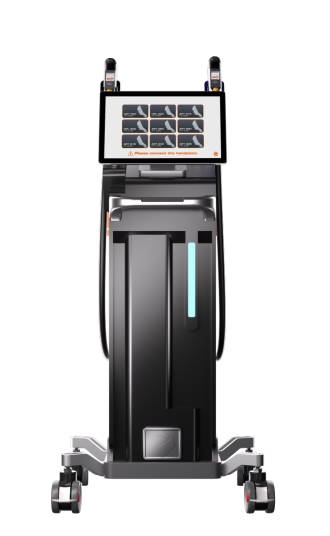
At ZHEONE, we present our DPL Machine for structured evaluation. The verified configuration lists hair removal, multiple magnetic filters, a screen-equipped handle, and contact cooling/chiller. These features help buyers examine workflow, filter control, cooling, and visibility, but do not establish universal suitability or guaranteed results.
Which DPL Machine Features Matter to Professional Buyers?
We encourage clinics to review filters, pulse controls, cooling, handpiece ergonomics, cleaning, service, and training. Match specifications to intended indications, confirm adjustable parameters and revision records, and identify local compliance duties.
How Should Clinics Validate the ZHEONE DPL Machine?
Our evaluation starts with a demonstration, operator training, written protocol, and controlled test area. Clinics can audit comfort, response, records, and maintenance before rollout. We discuss configuration and support; the institution remains responsible for qualified personnel, consent, regulations, and clinical decisions. This keeps the assessment of IPL hair-removal safety tied to evidence and governance.
FAQ
Q: Is IPL hair removal safe for eczema- or rosacea-prone skin?
A: It may be inappropriate during an active flare or when the barrier is compromised. A qualified practitioner should assess the condition, postpone treatment when needed, and use a test area and approved protocol before considering broader treatment.
Q: Is IPL hair removal safe for darker skin tones?
A: Safety depends on skin tone, hair contrast, filter choice, pulse settings, cooling, and operator skill. Darker or recently tanned skin can have more competing epidermal melanin, so a professional assessment is essential. No single wavelength guarantees safety.
Q: What side effects require a clinic review after IPL hair removal?
A: Persistent or increasing pain, blistering, pronounced swelling, unusual whitening or greying, and pigment changes that do not settle should be reviewed. The clinic should document the reaction and decide whether to pause, modify, or refer.
Q: How soon can IPL hair removal results be evaluated?
A: Clinics should allow the skin to recover and then review shedding, regrowth, comfort, and photographs within the practice’s approved follow-up window. The next session belongs on the IPL hair removal schedule only after the response and skin condition have been assessed.


