




Is HIFU Therapy a Safe and Non-Invasive Option in Medical Institutions?
What Is HIFU Therapy and Why Is It Non-Invasive?
What Does Non-Invasive HIFU Actually Mean?
Focused ultrasound propagates through tissue and concentrates energy to a targeted depth. While the focal region is thermally stimulated, the surface can still stay fairly whole/can also be intact. This is different than a surgical facelift and also different from a diffuse heating treatment. Thus, HIFU therapy should be described in terms of depth and target specificity, indication for use (primary vs. salvage), and energy delivery control mechanisms that may be employed based on individual patient selection rather than a statement accompanied by a hypothesis regarding universal or painless success.
Which Institutional Controls Support Safer Treatment?
Safer workflow starts with consultation, medical history review (roughly — each of these points takes a whole class), facial or body analysis and contraindication screening. You should analyse the treatment area and choose a cartridge or handpiece, document output settings and address potential transient reactions. Why Does Staff Training and Escalation Matter? Although we are doing non-invasive operating, energy is still being delivered to living tissue.
How Does Focused Ultrasound Create HIFU Results?
Focused ultrasound transmutes acoustic energy into a specific thermal effect at the target location. Aesthetic systems choose the focal depth for a specific tissue and treatment area; facial protocols should not be extrapolated to another ultrasound application. Thermal coagulation points can induce collagen contraction and subsequently, remodeling; however, the reaction occurs at a different rate in all patients. HIFU results are obtained through influences of tissue laxity, anatomy, baseline collagen and treatment planning.
What Tissue Depths Can Focused Ultrasound Target?
The targeted area may range from the dermis and subcutaneous tissue to a fascia-related layer depending on the system used, as well as the cartridge and energy selected, or target changing with treatment areas. You should never copy depth selection from a generic protocol without first evaluating the anatomy yourself. Knowing where the focal effect should take place and how that power level correlates to thickness of tissue, along with focus in terms of patient concern is paramount for a trained professional.
How Should Institutions Explain Energy and Results?
A more secure workflow prepares with discussion, clinical record analysis and facial or body evaluation contraindication screening as well realistic permission. Your role is to oversee how the treatment area will be used, prescribe a cartridge or handpiece for that therapy, document output parameters, and inform patients about temporary reactions that may occur. Training of staff and escalation procedures are important because even non-invasive operation involves an energy delivery to living tissue.
Who Is a Candidate for HIFU Results on Face and Lower Face?
What Facial Factors Should Be Assessed First?
It is important to assess each candidate on the degree of laxity and skin thickness, facial proportions as a whole, previous procedures done to the face (if any), skin sensitivity or bruising easily, in addition to their medical history and what change they were looking for. Results on face are not a function of age alone. A patient with mild laxity and reasonable expectations may be offered a different plan than one with significant tissue descent who expects a surgical lift. The provider must explain the difference to you before treatment.
How Should Lower-Face Expectations Be Set?
Components of the jawline, jowls and submental fullness may comprise skin, fat, ligaments, muscles and bone. Photos in comparable lighting, angle, expression and timing can only be of any use when comparing HIFU before and after the lower face. That is what happened for one patient, but that does not mean another person will have the same outcome. In mapping lower-face treatment to the actual tissue problem, we must not treat every blurred jawline as an indication!
What Should Patients Expect From HIFU Before and After?
What Should Baseline Photos Record?
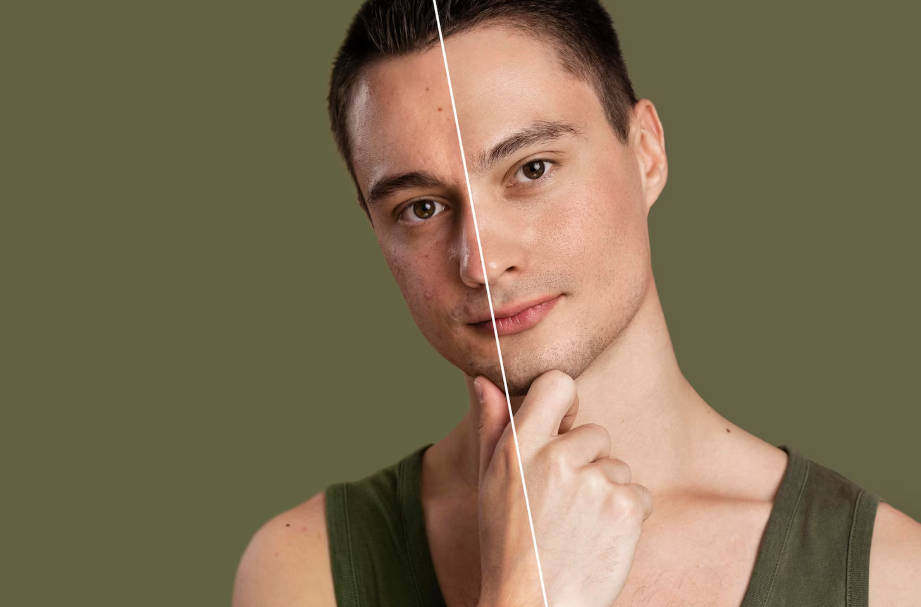
For the face or body area to be treated, take before photographs with the same angles and positions including the posture and expression at which she/he is most comfortable; lighting and relevant skin condition should also be recorded. HIFU before and after: should specify when the follow-up shot was taken, any other treatments performed between shots, weight changes, skincare product switches or ambient lighting.
Which Changes May Be Immediate or Gradual?
Patients described an early feeling of tightness, whereas collagen-related remodeling takes place gradually. However, the timing and extent of change are not consistent with a medical institute still using an inflexible universal timetable. The provider is to clarify that HIFU results can be assessed over a period of time, and maintenance or an additional modality will only occur when otherwise indicated. An image of before and after is proof of one situation, not a guarantee for an average result.
What Does HIFU Aftercare Involve?
What Should Patients Do After Treatment?
HIFU aftercare should follow the treating institution’s instructions. Conservative instructions may include gentle cleansing, the use of a normal skin protectant without occlusion (AVS not involved), avoiding unexpected irritation and surveillance over healing areas. This will prevent patients from throwing in some aggressive procedures or products, I mean just because the treatment was not invasive. The provider should advise on when routine care can commence again and the means of contacting a clinic if signs are atypical.
Which Reactions Should Be Monitored?
You will be trained on post-treatment reactions: temporary erythema, mild swelling, tenderness, or sensitivity, all of which vary from person to person. If pain, blistering, swelling, or neurological symptoms persist alongside ongoing changes, it is more advisable to have a specialist check on you as soon as possible. Aftercare also serves as an opportunity to ensure that patients fully understand their treatment records, expected recovery milestones, and follow-up plans.
How Should Medical Institutions Select a HIFU Machine?
Which Device Features Support Consistent Operation?
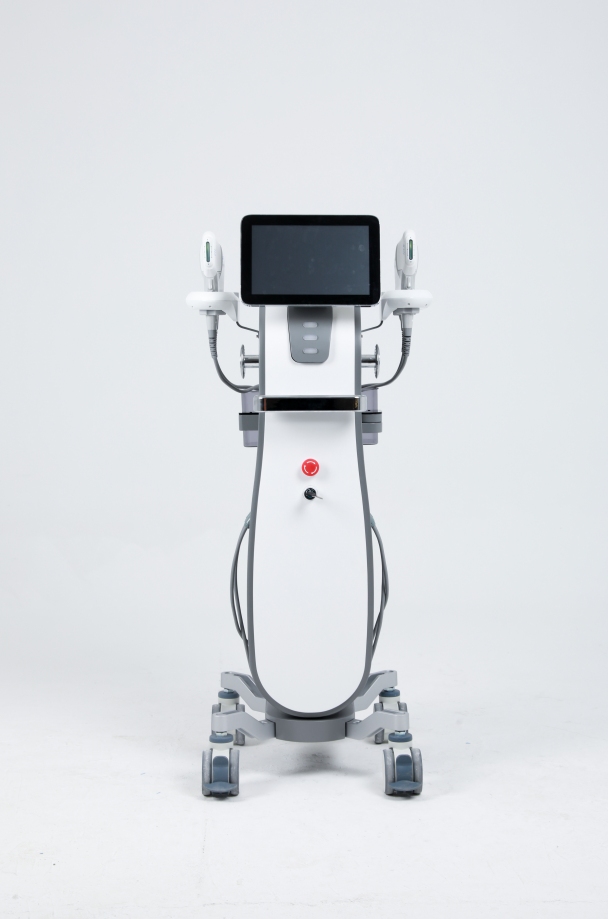
For HIFU therapy, review cartridge or handpiece depth options, output consistency, treatment-line or shot control, user-interface clarity, cleaning, maintenance, documentation, and patient workflow. A HIFU machine should support the institution’s indications and operator training rather than determine them. Buyers should verify the intended tissue depth, safety controls, service access, spare-part plan, and market documentation before purchase.
What Should an Institution Verify Before Buying?
ZHEONE Handheld HIFU machine Manufacturer, R&D, quality control, testing and supply-chain capabilities. We confirmed the support framework includes fault detection, warranty alternatives, on-site repair work, design and style assist solutions & logistics assistance. The assessment of ZHEONE, in turn, should be done against the institution’s specific setup including training needs related to it and documentation and service response. Procurement cannot be lulled by vague assurances of painless, permanent lifting or predictable outcomes.
FAQ
Q: Is HIFU Therapy Suitable for Everyone?
A: No, not even close. HIFU is non-invasive, with no incisions involved, but “non-invasive” is not the same as “for everyone.” Suitability depends on your anatomy, the condition of your skin and tissue, your medical history, and what you’re actually asking the treatment to do. That’s the consultation’s job. Our clinicians screen for contraindications before recommending anything, and set expectations you can plan around — including straight answers when the honest answer is that HIFU isn’t the right tool for a given case.
Q: When Do HIFU Before and After Changes Develop?
A: Two different timelines, and conflating them is how people misjudge the result. Some changes show up right away — a little tightness, a hint of lift. The heavier work happens later: collagen remodeling runs over weeks, so the final result typically settles in around two to three months after treatment. Judge it on day three and you’ll be underestimating it. Take consistent photos under the same lighting, and let our team reassess you at follow-up — that beats any iron-clad guarantee we could give.
Q: What Does HIFU Aftercare Require?
A: Follow the instructions we hand over when you leave. Protect the treated area, skip the unnecessary irritation — hot sauna, aggressive exfoliation, direct sun — for as long as we tell you, and watch for transient reactions like redness or swelling, which should fade within a day or two. If symptoms worsen or persist, contact our team. Non-invasive doesn’t mean no follow-up. It just means no incisions.


