



Is Diode Laser for Dark Skin Safe and Reliable in 2026?
Using a diode laser on dark skin is both safe and effective. However, a skilled expert must carefully adapt the screening process and machine settings to each person. They also need to adjust the cooling methods and aftercare for the specific client. Simply choosing the right wavelength will not ensure complete safety. Many different factors determine the amount of heat that hits the outer skin layer. These include a person’s natural skin colour and any recent sun exposure. Hair colour and the specific body part being treated matter as well. Furthermore, daily medications and the actual skill of the operator play major roles.
Clinics, equipment distributors, and private-label buyers face a very real issue. The main concern is never about a machine offering big claims. Instead, the true test focuses on everyday use. The equipment must allow for a consistent diode laser procedure every single time. It should also help provide accurate records. Ultimately, it must guide the staff to make careful, informed choices during each client visit.

Why Can Diode Laser Hair Removal Be Safer for Dark Skin?
How does melanin change the safety calculation?
Hair-removal lasers use selective photothermolysis: pigment in the hair absorbs light and converts that energy into heat intended to damage the follicle. Darker epidermis also contains more melanin, so the skin can compete with the hair for energy. Recent tanning increases this competition. A documented consultation and test spot is therefore more useful than applying one preset to every client.
The expected endpoint may include brief warmth, mild redness, or perifollicular swelling. Grey or white skin, blistering, persistent burning, or rapidly increasing pain is not a desirable endpoint. Treatment should pause while contact, cooling, skin response, and settings are checked.
Why does an 808 nm diode laser often enter the discussion?
An 808 nm diode laser offers a useful balance between melanin absorption and penetration depth. Compared with shorter wavelengths, energy can reach the follicle more deeply while generally placing less energy in the epidermis. An 808 diode laser may therefore be considered for many Fitzpatrick III-V clients when pulse width, fluence, spot size, contact, and cooling are selected carefully.
Fitzpatrick VI skin, a fresh tan, or a history of pigment change may require a more conservative plan or another wavelength strategy. No wavelength removes the need for screening, test spots, and trained judgment.
What Preparation Before Diode Laser Hair Removal Improves Results?
Which client information should a clinic collect first?
Good preparation before diode laser hair removal starts with recent sun exposure, tanning, photosensitising medication, active irritation, infection, and recent procedures. The clinic should also record skin type, hair calibre, treatment area, contraindications, and baseline photographs. Hair is normally shaved according to clinic instructions rather than waxed or plucked because a pigmented follicular target is still needed.
What should clients avoid before the appointment?
Clients should follow the provider’s instructions about sun protection, shaving, skincare, and topical products. Clients should not conceal medication, a recent tan, or a history of abnormal pigmentation. A clean treatment area and a test spot are particularly important when darker skin or recent tanning raises uncertainty.
How Should a Diode Laser Procedure Manage Comfort and Side Effects?
Is the diode laser painful during a normal session?
Customers frequently wonder about the treatment experience. They often ask, “Is diode laser hair removal painful?” Most people feel a quick warm snap. Others notice a light prickling feeling during the session. However, overall comfort changes based on the specific body part. It also depends on hair thickness and personal sensitivity. Intense or growing pain is never a sign of good results. Instead, this kind of discomfort requires a quick safety check. Applying a topical anaesthetic must match local clinic rules. Too many numbing blocks, important physical feedback from the patient.
Which settings and cooling controls matter most?
A cautious starting range, suitable pulse width, effective sapphire contact cooling, and consistent overlap help manage epidermal heat. The operator should keep the handpiece in proper contact, avoid dwelling on one area, and judge the skin response before increasing energy. A professional diode laser system should provide practical control over these variables instead of hiding every decision behind a fixed programme.
What are common diode laser hair removal side effects?
Common short-term diode laser hair removal side effects include warmth, tenderness, temporary redness, and perifollicular swelling. Less common complications include burns, blisters, post-inflammatory hyperpigmentation, hypopigmentation, and paradoxical hair growth. Risk can increase with recent tanning, unsuitable fluence, weak cooling, uneven overlap, or an overlooked contraindication.
Proper aftercare usually involves washing the skin softly. You also need to apply good sun protection. Furthermore, patients must stay away from too much heat or rubbing for a short time. Sometimes, a person might feel ongoing pain. They could also notice blisters or a big change in skin colour. If these issues happen, a professional must check the area right away.
What Should Diode Laser Before-and-After Evidence Prove?
How should a clinic record the diode laser before and after results?
Useful diode laser hair removal before and after records keep lighting, camera distance, body position, treatment interval, and hair-growth conditions consistent. A credible diode laser before and after review follows hair density, regrowth speed, texture, skin response, and pigment change.
Why are several diode laser hair removal sessions normal?
Hair moves through anagen, catagen, and telogen phases, while laser energy works best on actively growing anagen hair. Multiple sessions are therefore normal. Early shedding may be visible after one appointment, but longer-term reduction becomes clearer across the planned course. Session spacing varies by body area, growth cycle, and clinical judgement.
Diode laser hair removal aims for sustained hair reduction, not guaranteed total removal after one visit. Standardised records help a clinic identify pigment changes or an unexpected response early.
Which Equipment Details Should B2B Buyers Compare?
Does a diode platform remain consistent during a full workday?
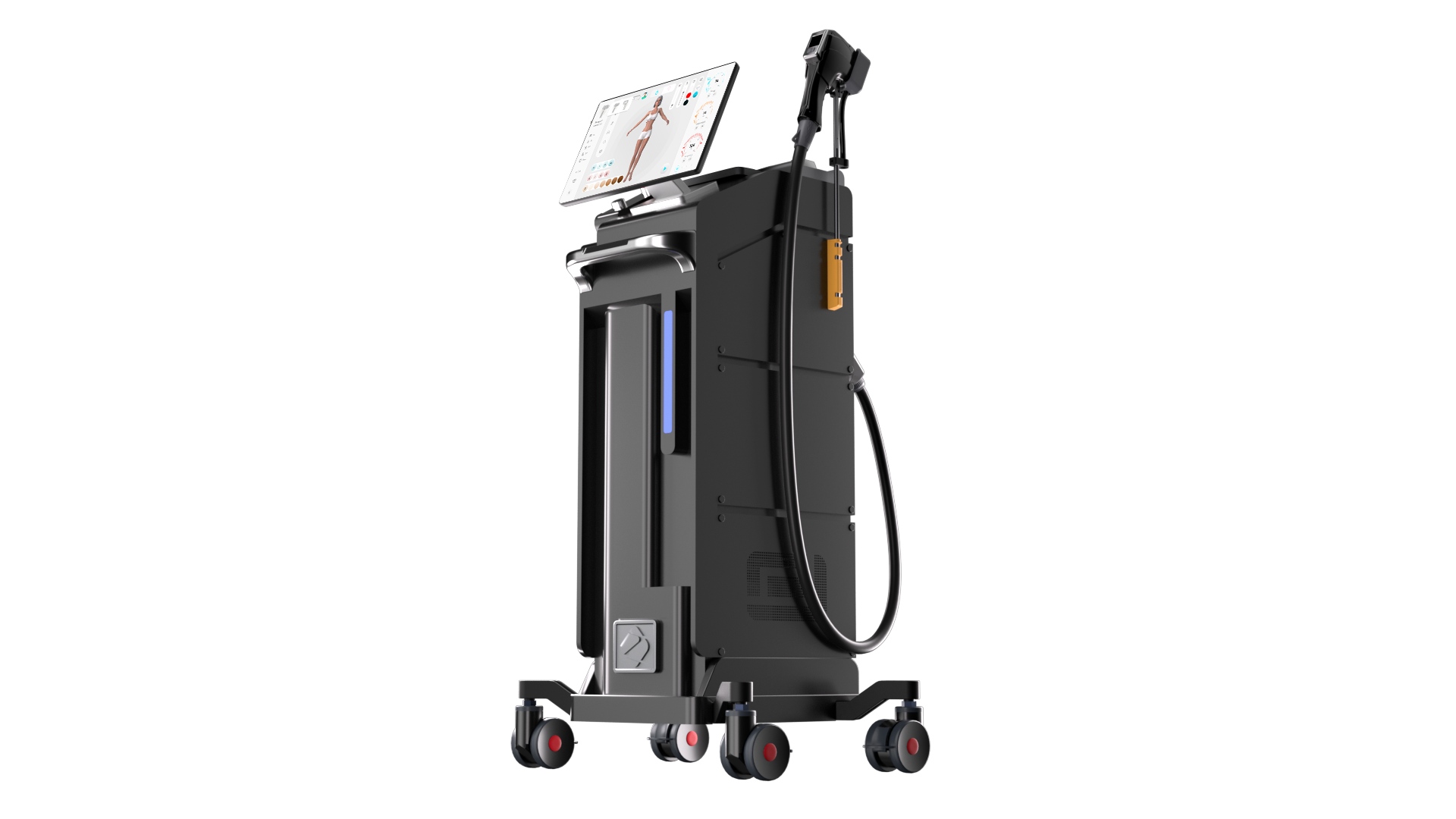
Reliability becomes visible during repeated treatments, not only in a showroom demonstration. Buyers should ask whether output remains repeatable, whether cooling performs under continuous operation, and whether the handpiece remains manageable. Calibration, maintenance access, spare-part availability, training, warranty terms, and service response affect the commercial value of a system.
Which documents and controls should be part of the purchase review?
Buyers should compare parameter range, chiller capacity, interface safeguards, consumable expectations, electrical requirements, and model-specific documentation. The 808 nm diode laser technology can support a structured supplier discussion, while a guide to choosing a professional diode laser machine helps organise operational questions.
What Can ZHEONE Offer Clinics and Distributors?
How do we support diode laser equipment projects?
At ZHEONE, we support clinic, distributor, and private-label projects with our aesthetic equipment portfolio, including diode configurations around 808 nm and multiwavelength options. We begin with the destination market, intended use, expected daily workload, preferred wavelength package, plug standard, training needs, and service expectations.
Which details should buyers request from our team?
Our products should be assessed by the exact model and configuration, not by a portfolio-level promise. We can provide the relevant configuration discussion around output stability, cooling capacity, parameter range, documentation, warranty, maintenance support, and market-specific requirements.
FAQ
Q: Is diode laser hair removal safe for dark skin?
A: The treatment can be safe for selected clients when skin type, tanning history, hair characteristics, settings, cooling, test spots, and operator training are assessed together. No single wavelength makes every treatment automatically safe.
Q: How can someone reduce diode laser hair removal side effects?
A: Please carefully follow the clinic’s preparation and aftercare instructions. You must disclose any current medication to the staff. Also, inform them about any recent tanning. Always use a test spot when indicated. Furthermore, you should pause the treatment immediately if you experience pain or blistering. Stop the process right away if an unusual colour change develops on your skin.
Q: What should a clinic check before buying an 808 diode laser?
A: First, verify the exact wavelength configuration. You should also review the adjustable pulse and fluence ranges. Next, evaluate the cooling performance along with the overall output stability. It is equally important to look into the provided training and service access. Furthermore, check the warranty details and all required compliance documents. Finally, make sure that the system truly fits the intended workload of your clinic.


