




How Many Diode Laser Sessions Are Needed for Optimal Results Today
When clients ask how many diode laser sessions they need, the answer is a treatment range followed by reassessment, not a universal promise. Laser hair removal works progressively because follicles are not all active at the same time. Treatment area, hair profile, skin characteristics, visit intervals, equipment, and client response influence the plan.
How Many Diode Laser Sessions Are Usually Needed?
Why Do Hair-Growth Cycles Require Multiple Sessions?
Human hair naturally grows in cycles. It passes through the anagen, catagen, and telogen phases. Laser energy works best during the active anagen phase. At this time, the target follicle contains high amounts of pigment. It also shows strong growth activity. These two factors help the follicle respond much better to the treatment. During a single visit, however, only a fraction of the hair in a treated area reaches this specific stage. The remaining follicles are usually resting or shifting between cycles. As a result, they might not absorb the laser energy in the same way.
Why Is a Fixed Session Promise Unreliable?
Clients often ask how many sessions are necessary for diode laser hair removal. Providers need to answer this question using specific details. A normal schedule for underarms and legs takes about four to six visits. At the same time, thinner facial hair might demand an extended timeline. These estimates assist clinics in showing the general scope of the work. Still, they cannot act as an absolute guarantee for any specific person.
The phrase diode laser treatment covers different devices, parameters, body areas, and client profiles. Providers should review visible regrowth, hair thickness, skin response, comfort, and interval adherence after each visit. This makes the session count a documented decision rather than a sales promise.

What Changes the Number of Diode Laser Sessions?
How Do Hair and Skin Profiles Affect Treatment Response?
Hair melanin serves as the primary focus during selective photothermolysis. Thick and dark strands usually create a much better target. In contrast, thin, soft, or pale hairs are harder to treat. Hair density plays a major role as well. A crowded treatment zone requires precise passes. Furthermore, operators must closely monitor how the skin reacts. A person’s skin tone directly affects the chosen settings. The main goal is to keep the epidermis safe. At the same time, enough energy must travel down into the follicle.
Before the first diode laser treatment, a trained practitioner should review skin type, hair color, thickness, density, growth pattern, recent sun exposure, active skin conditions, and relevant photosensitizing medicines. The assessment does not predict an exact number by itself; it identifies the variables that should guide settings, timing, and follow-up.
How Do Treatment Area, Timing, and Settings Change the Course?
Face, underarms, limbs, bikini line, chest, and back do not share the same hair density or growth pattern. Hormonal influence can also change regrowth, especially in facial areas. Treatment intervals should allow the provider to observe new growth and then select a timing that matches the client’s cycle and the equipment protocol. Intervals that are too short may capture fewer target hairs, while inconsistent attendance makes progress harder to interpret.
Wavelength, pulse width, energy density, spot size, cooling, and operator technique also affect consistency. These settings must be matched to the client’s skin and hair rather than copied from another case. A clinic that records the selected parameters can compare outcomes across diode laser sessions and identify whether a change in response reflects biology, timing, coverage, or settings.
What Should an Underarm Diode Laser Session Plan Look Like?
What Makes Underarm Response Vary Between Clients?
Underarm hair is often a practical area for a structured course because the hair may be relatively visible and the treatment field is compact, but response still varies. Density, shaft thickness, contrast with the surrounding skin, hormonal factors, shaving habits, and appointment consistency all influence the course. When a client asks, ” How many sessions for diode laser hair removal underarm, the provider can explain that four to six treatments are a common starting reference in the available professional guidance, followed by review of the actual response.
The plan should state what will be measured and when the provider will reconsider the next visit.
How Should Clinics Decide Whether to Continue Underarm Sessions?
Continuation should follow evidence from the previous visit. The provider can compare standardized photographs, visible density, hair fineness, the timing of regrowth, skin reaction, comfort, and the parameters used. If the response is limited, the clinic should review coverage, interval, settings, and possible hormonal or medical factors before automatically repeating the same approach.
If a reaction is unexpected, persistent, or worsening, professional review takes priority. A written decision record explains why the course continues, changes, pauses, or requires referral. This keeps diode laser sessions aligned with documented need.
How Should Clinics Compare Diode Laser Before and After Progress?
What Should Be Recorded at Every Diode Laser Treatment?
Reliable diode laser before and after comparisons require consistent lighting, camera distance, body position, and treatment timing. The record should identify the area treated, the client’s baseline hair characteristics, the device configuration, selected parameters, cooling approach, skin response, reported comfort, and the date of the next review. These details give a photograph the context needed for a fair comparison.
The provider should also document instructions between visits. Shaving, waxing, plucking, sun exposure, and missed appointments can change the next assessment; a photograph alone cannot explain why.
When Should Session Timing or Parameters Be Adjusted?
Adjustment is appropriate when regrowth does not match the expected pattern, when hair becomes finer and requires a different approach, or when the skin response indicates that the plan needs review. The provider should not increase energy or shorten an interval simply to reach a preset number of visits. Safety checks and client feedback remain part of every diode laser treatment.
Reviewing records across diode laser sessions can reveal whether coverage is consistent and whether staff need additional training.
How Can ZHEONE Support More Consistent Diode Laser Sessions?
What Should Buyers Verify in an 808nm Diode Laser Machine?
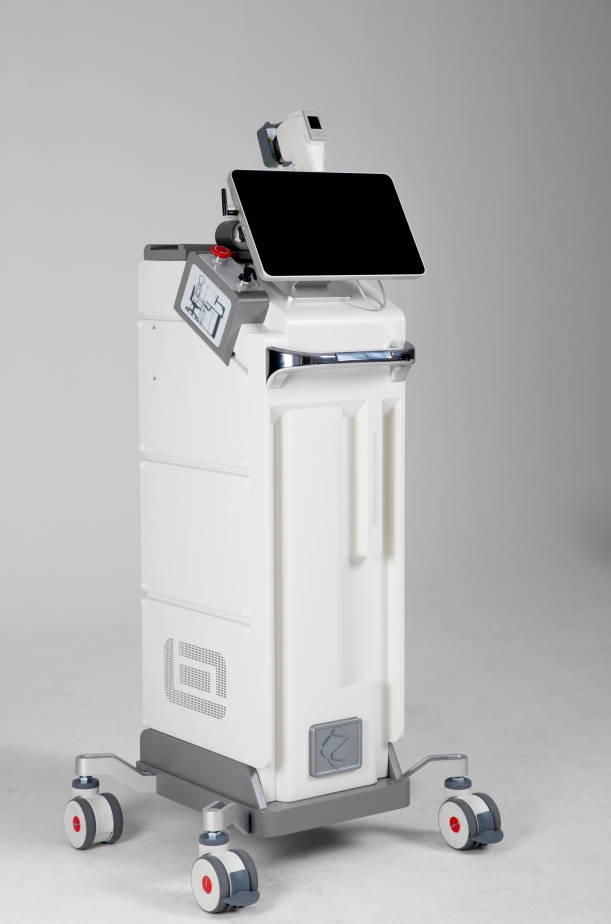
At ZHEONE, we provide professional diode-laser configurations for buyers to evaluate according to their planned services. ZHEONE diode laser systems may include 808nm or multi-wavelength configurations such as 755nm, 808nm, and 1064nm, depending on the selected model. Therefore, buyers should confirm whether the selected system is a single-wavelength or multi-wavelength configuration based on the quotation, included handpiece, and local compliance requirements.
Buyers searching for an 808 diode laser should confirm pulse controls, treatment-head options, cooling design, service terms, and training scope. These checks support a repeatable workflow but do not determine a universal session count.
How Do Cooling and Treatment Heads Support a Repeatable Workflow?
ZHEONE diode laser systems feature sapphire cooling technology designed to support epidermal protection and treatment comfort. Different treatment heads and spot sizes are available for different application areas, with a magnetic attachment design to support convenient replacement and operation. Some configurations also include UV disinfection for the handle to support daily hygiene procedures.
These features should be evaluated as part of a broader operating protocol, alongside parameter control, cleaning, records, and staff training.
We encourage buyers to match the configuration to intended treatment areas and verify every included head. The provider remains responsible for suitability assessment, settings, comfort monitoring, and future-visit decisions.
FAQ
Q: Is Diode Laser Painful?
A: Sensation varies with the area, settings, cooling, hair density, and personal tolerance. Sapphire cooling may support comfort, but no general statement can guarantee a pain-free experience. The practitioner should check comfort during the session and review any concerning response.
Q: How Many Sessions for Diode Laser Hair Removal Are Typical?
A: Multiple visits are normally required because follicles enter the active growth phase at different times. Underarm and limb plans are often discussed around four to six treatments as a starting reference, while finer hair may require more review. The final number depends on documented response.
Q: Are Maintenance Sessions Always Necessary?
A: Not always. Some clients may choose maintenance according to regrowth and long-term goals, while others may not need the same frequency. A provider should reassess the area and response before recommending another session.


